

.png)


Florida Used Taxpayer Money to Kill Legal Weed — Here’s What That Means for Reformers

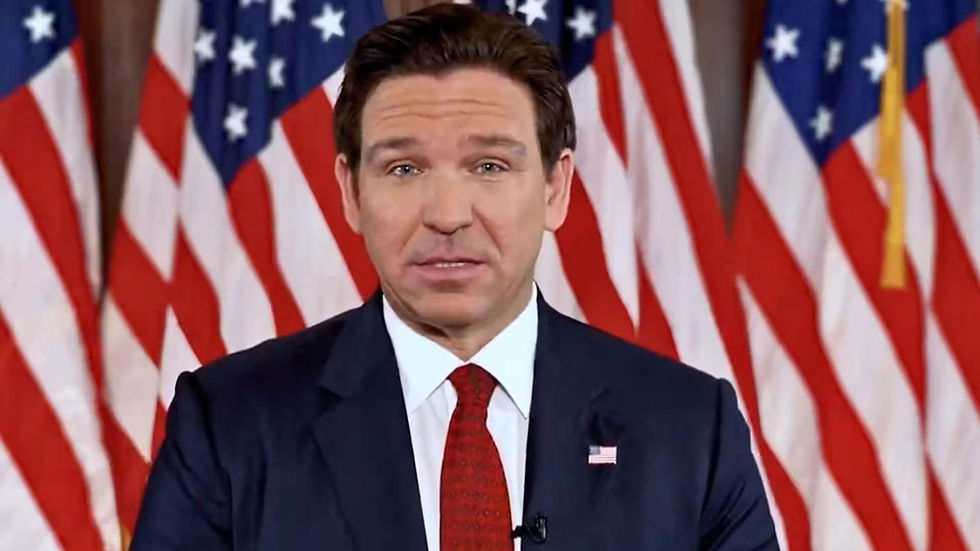
In what many see as one of the most controversial political maneuvers in Florida’s cannabis history, the state government under Governor Ron DeSantis diverted more than $35 million in taxpayer funds to influence the 2024 ballot fight — including efforts that targeted a constitutional amendment to legalize recreational cannabis.
How Public Money Was Reallocated
According to a High Times investigation drawing from reporting by the Miami Herald and Tampa Bay Times, Florida’s administration redirected funds originally earmarked for healthcare, child welfare, and opioid recovery programs to pay political consultants, lawyers, and a massive advertising campaign that opposed cannabis legalization.
These ads ran on television, radio, and social media during the final weeks of the election and were designed to weaken support for Amendment 3 — the measure that would have legalized adult-use cannabis for Floridians 21 and older. Notably, the messaging made exaggerated claims about marijuana risks and avoided directly naming the amendment, a legal loophole that the state later cited to defend the spending.
Where the Money Came From
The spending traced back to several critical state accounts:
Child welfare programs within the Department of Children and Families
Opioid settlement funds meant to aid communities hit hardest by the overdose crisis
Public health budgets within the Department of Health
Medicaid settlement dollars that were routed through a nonprofit tied to state leadership before ending up with political committees opposing Amendment 3
This use of public funds to wage political messaging sparked concerns from both sides of the aisle — with critics calling it a misuse of taxpayer money that should have supported people in need, not paid for political propaganda.
The Result — Almost a Win, But Not Quite
Despite the state’s campaign, Amendment 3 actually earned majority support from Florida voters — roughly 57% voted “yes” — yet it still failed to achieve the 60% super-majority threshold required for adoption.
This outcome highlights a stark reality: a majority of Floridians support legal cannabis, yet structural and political obstacles have so far prevented that will from becoming law.
Why This Matters for Florida Reformers
This controversy underscores two things:
Public sentiment is increasingly pro-cannabis, especially on adult-use legalization.
The current system allows state power to be used — and arguably abused — to influence democratic outcomes.
At Suncoast NORML, we believe that cannabis policy should be decided by voters, not tilted by unelected bureaucrats or taxpayer-funded messaging campaigns.
Next Steps for Advocates
Though Amendment 3 didn’t pass in 2024, reform efforts aren’t dead. New initiatives are already being organized for future ballots in 2026 — which means activists, patients, businesses, and everyday Floridians still have a chance to secure legal, regulated cannabis in our state.
We encourage our supporters to:
Stay informed and engaged with the latest policy developments
Volunteer with ballot initiative campaigns
Educate friends and neighbors about the benefits of legalization
Demand transparency and accountability in how public funds are used
Florida voters deserve a fair shot at legalization — without the state using OUR money to wage political battles against us.


Comments